Insurtech | Dr Philip Conway | ElemenTech
Philip grew up in the mountainous region of Switzerland, where the raw and powerful natural environment is harnessed through some of the world’s most impressive feats of engineering including hydroelectric dams carved into the Alps and tunnels that slice through mountains connecting not just cities, but countries.
Philip’s hometown was impacted by both major floods and a devastating forest fire - he experienced first-hand how destructive the power of nature could be. Those events, combined with living amid that constant interplay between human ingenuity and nature, planted the seed for a lifelong interest in how we understand, predict, and manage natural forces. That curiosity eventually led him to study engineering and specialise in hydrodynamic modelling, a field that bridges science, technology, and real-world application.
I have been lucky enough to know Philip for a while and have had the opportunity to explore and debate insurance topics with him. Philip has recently left Corporate life and has launched the Insurtech - ElementTech. Philip shared some of his thoughts and experiences with me. Read on….
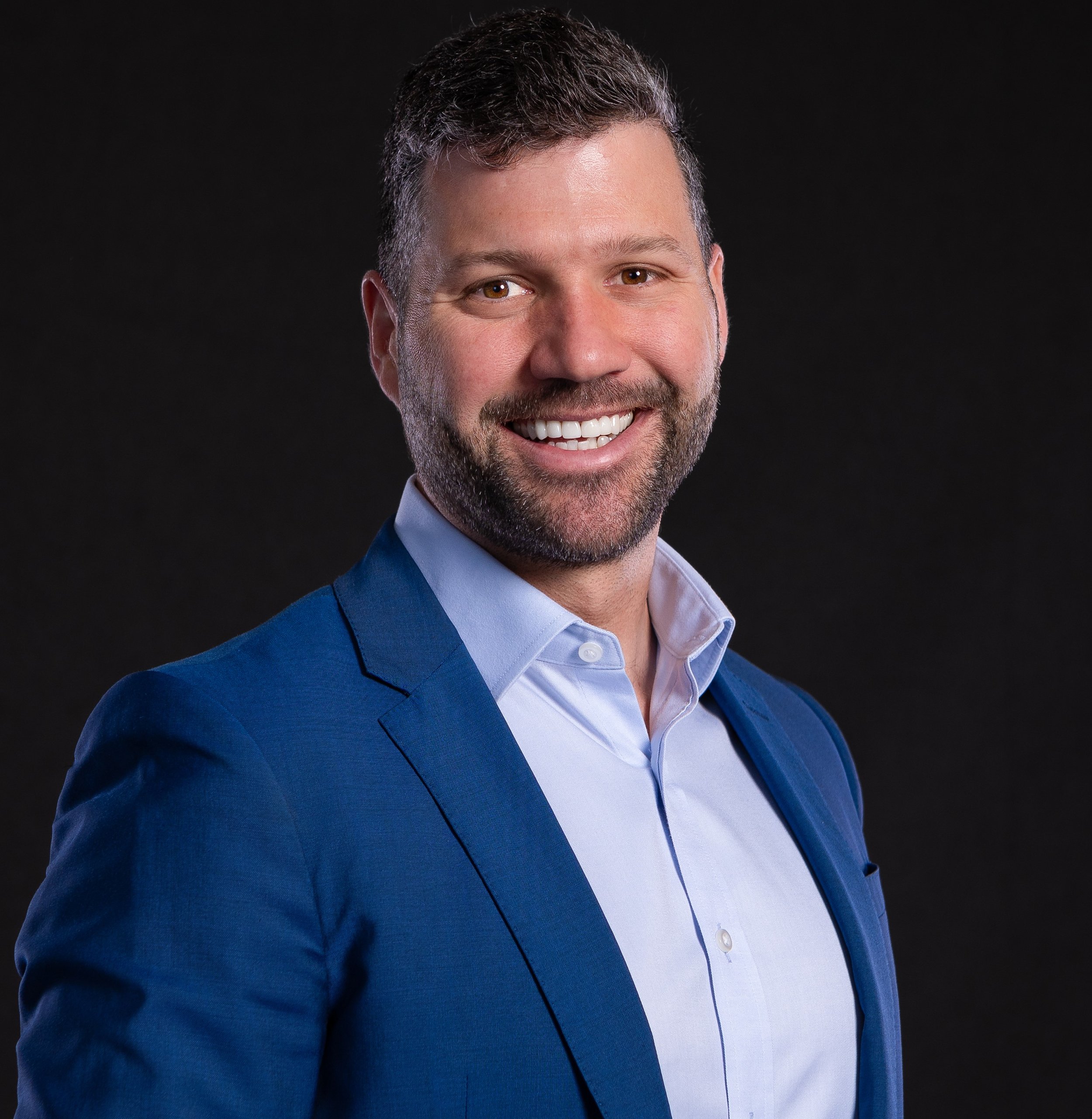
What gave you the idea for ElemenTech? How did it all begin?
Before founding ElemenTech, I was involved in a large-scale transformation project at a major Corporate—one of those “once in a generation” change initiatives. But as impressive as it was on paper, I couldn’t shake the sense that many of the solutions being implemented were just tech retrofits—layered over existing problems rather than fundamentally rethinking how things should work.
What was missing, I realised, was talent that could fluently navigate both the business and technical domains. Unusually, my early career had given me that dual perspective. My PhD in hydrodynamic modelling grounded me in the fundamentals of science, but it also immersed me in technology and software development.
That combination proved powerful. I went on to design and deliver a proprietary perils and reinsurance pricing platform for the largest insurer in Australasia. Once that platform was integrated and scaled across the business, I felt the itch to build again. The market lacked experts who could bridge deep peril knowledge with practical tech execution—so I launched ElemenTech to fill that space.
Can you give us a sense of the scale of the problem you're solving?
Across Australia and New Zealand, Natural perils can typically account for up to half of the technical premium cost in a property portfolio and are the primary driver of loss volatility. The stakes are even higher from a regulatory capital lens. Solvency protection requirements set by APRA and the RBNZ are dominated by natural catastrophe exposure. To put that in context, the 2010-11 Christchurch Earthquake sequence alone, cost the re/insurance industry approximately $40 billion.
Add to that the region’s high insurance penetration, a relatively consolidated market, and its strategic positioning as a diversification hub for U.S. and European reinsurance, and it’s clear why ANZ’s primary insurers sit among the top three reinsurance programs globally. The risks and opportunities associated with quantifying natural perils are immense.
So what does ElemenTech actually do? Who are your clients, and what problems do you solve for them?
ElemenTech exists to sharpen and elevate our clients’ natural perils capabilities. We work with primary insurers, reinsurers, banks, global catastrophe modellers, and technology firms. From high-level strategic advice to hands-on technical builds, our work helps clients stay ahead in an increasingly complex risk landscape.
What sets us apart is our ability to develop solutions that are both scientifically grounded and commercially practical. We understand the insurance value chain intimately, and that allows us to avoid the common trap of adopting technology and then retrofitting the business requirements into it. Instead, we develop the technology around the business and natural peril fundamentals. This delivers sophisticated real-world outcomes in the short-term, while also fitting into the long-term strategic technology architecture.
What’s your elevator pitch?
I guess it depends on how many floors the building has and who’s in the elevator?!
We deliver cutting-edge solutions at the intersection of engineering, actuarial science, GIS, DevOps, and catastrophe modelling. We translate deep technical and scientific knowledge into scalable systems that de-risk and modernise how organisations engage with climate and catastrophe risk.
We help clients operationalise next-generation capabilities from pricing and underwriting to portfolio management, risk accumulation and reinsurance optimisation.
What makes ElemenTech different from others in the space?
Our uniqueness lies in how deeply integrated we are across disciplines. We’re not just advisers—we build. We don’t stop at insights—we implement. Our geospatially native platforms are designed from the ground up around the scientific characteristics of each peril, giving them both flexibility and technical robustness.
That means we can (and have) gone from a blank page to a Tier 1 pricing platform—or a highly targeted underwriting tool—faster and with more precision than traditional players. Innovation matched with disciplined execution is in our DNA.
What can large corporates learn from early-stage businesses?
Startups thrive on a bias for action and a passion for building something new. That mindset—of embracing risk with purpose and urgency—is often missing in corporates, even in industries like insurance where risk is the core business.
The paradox is striking: insurance firms exist to manage risk, yet internally they often default to risk aversion. Startups, on the other hand, are fuelled by bold ideas and mission-driven teams. Corporates could gain a lot by empowering their people to take responsible risks, experiment more freely, and harness the motivation that comes from exploring new frontiers.
And what can corporates do better when working with startups?
There needs to be a more nuanced understanding of the startup lifecycle. Not every engagement should be held to the same procurement standard as a mature vendor relationship. Sandpits, pilot programs, and lightweight governance structures allow for more flexible and productive partnerships.
Also, let’s be honest: corporate incubators haven’t always delivered on their promise. The magic happens when incumbents lean into the tension between disruption and experience—using their scale and reach to accelerate innovation, not smother it with red tape.
What’s been your biggest challenge so far?
The hardest part is often finding decision-makers willing to calibrate upside and downside properly. Too many leaders focus solely on managing downside risk without giving enough weight to the potential upside—and that conservatism can be a real barrier to achieving the significant dividends that innovation provides.
Can you share an example of a successful project?
One of our proudest moments was with a lighthouse customer that was severely hamstrung by legacy technology and the enterprise transformation was years away due to the highly complex nature of the portfolio. ElemenTech was fully onboarded in a month and within six months, we had built a lean and automated prototype that enabled them to price large accounts with market-leading precision.
It included features like peril-specific event excesses and limits—a level of detail that gave them a major edge in bespoke pricing. That kind of speed and sophistication is what we aim to achieve with every client.
What are the key disruptive forces you see shaping the insurance industry?
There are three big ones in my mind and they are intertwined: technology, climate change, and shifting societal expectations. Automation and AI are reshaping workflows and, in some cases, entire job functions. Climate volatility is challenging insurers, both in terms of pricing adequacy and capital management. Compounding this is an increasingly adversarial public perception. Rising premiums, coverage gaps, and perceived opportunism are driving political and regulatory scrutiny.
If the industry doesn’t lead its own transformation, changes will be imposed on it. This is already beginning with the Cyclone Pool. Conversely, the rising relevance of climate presents significant opportunities for insurance to increase its role in society—if the industry can evolve rapidly enough.
What are the principles that guide how you work?
One quote I keep coming back to is from Alan Kay: “The best way to predict the future is to invent it.”
Too often, processes persist simply because of historical inertia. While there’s tremendous value in institutional knowledge, it must be paired with a willingness to challenge the status quo. For me, real innovation comes from that tension—honouring what’s come before while imagining something fundamentally better. When all of that is combined with disciplined execution, that’s when the transformative impacts with the true potential to benefit society happen.

Philip goofy foot at Sandon Point…
How do you manage the balance between your personal life and running a startup?
There are plenty of clichés about work-life balance, but the truth is that launching a business takes extreme commitment. Perhaps counterintuitively, I find the effort energising. It's a bit of a virtuous loop, the more I invest in ElemenTech, the more fulfillment I get from seeing it thrive.
That said, I mentally recharge through exercise—surfing regularly or occasionally taking on big challenges like ultra-marathons. Those pursuits help me reset, stay resilient, and maintain perspective. They also bring a rhythm and discipline that feeds back into how I lead the business. So yes, it’s intense—but I find it sustainable because of the passion I derive from it all.